


For most Maryland basements, luxury vinyl plank (LVP) and epoxy coatings offer the best balance of moisture resistance and durability, while tile works well in areas prone to dampness and carpet is best reserved for finished, climate-controlled spaces. The right choice depends on your basement’s moisture levels, intended use, and budget. Dragon Scale Inc. helps homeowners across Maryland evaluate these factors before recommending a flooring solution built to last.
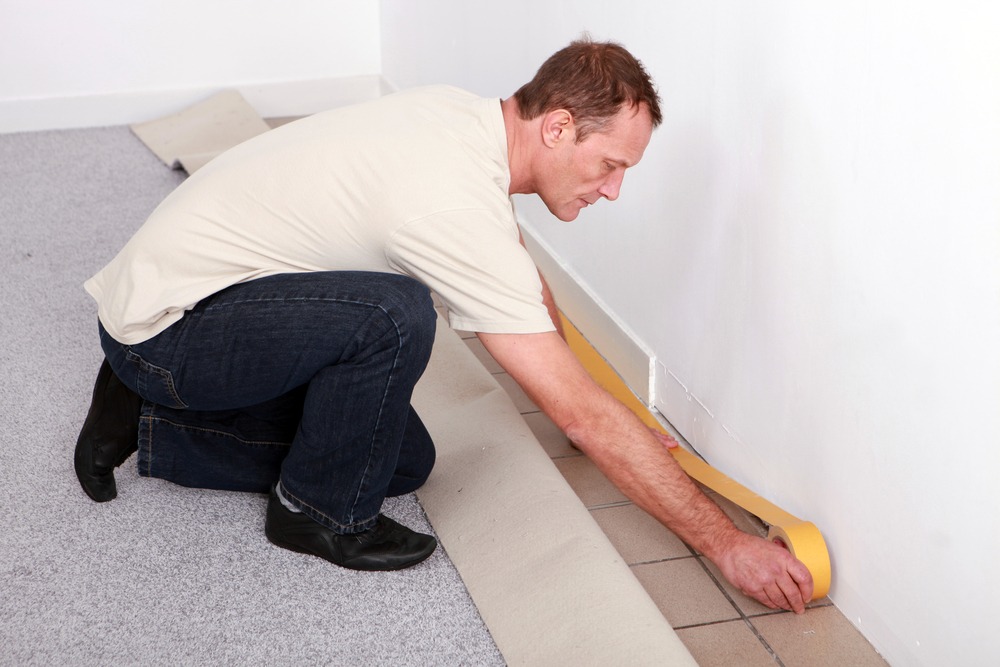
Basements present a unique flooring challenge. Unlike the rest of your home, a below-grade space deals with moisture, temperature swings, and the occasional plumbing surprise. Choose the wrong material, and you could be looking at warping, mold, or a full redo within a few years. Choose the right one, and your basement becomes one of the most functional rooms in the house.
If you’re weighing your options for a Maryland basement remodel, here’s how luxury vinyl plank, tile, carpet, and epoxy stack up.
Why Basement Flooring Decisions Are Different
Basements sit below ground level, which means they’re more exposed to groundwater, humidity, and temperature fluctuation than any other room in your home. Concrete slabs can wick moisture up from the soil, and without proper vapor barriers, that moisture ends up right underneath your flooring.
This is why flooring that works beautifully in a kitchen or living room upstairs isn’t always a safe bet below grade. Before choosing a material, it’s worth having a professional assess your basement’s moisture levels, drainage, and any history of water intrusion. Dragon Scale Inc. has been helping Maryland homeowners navigate exactly these decisions since 2015, combining flooring expertise with full basement remodeling experience to recommend solutions suited to each home’s specific conditions.
Is Luxury Vinyl Plank (LVP) Good for Basements?
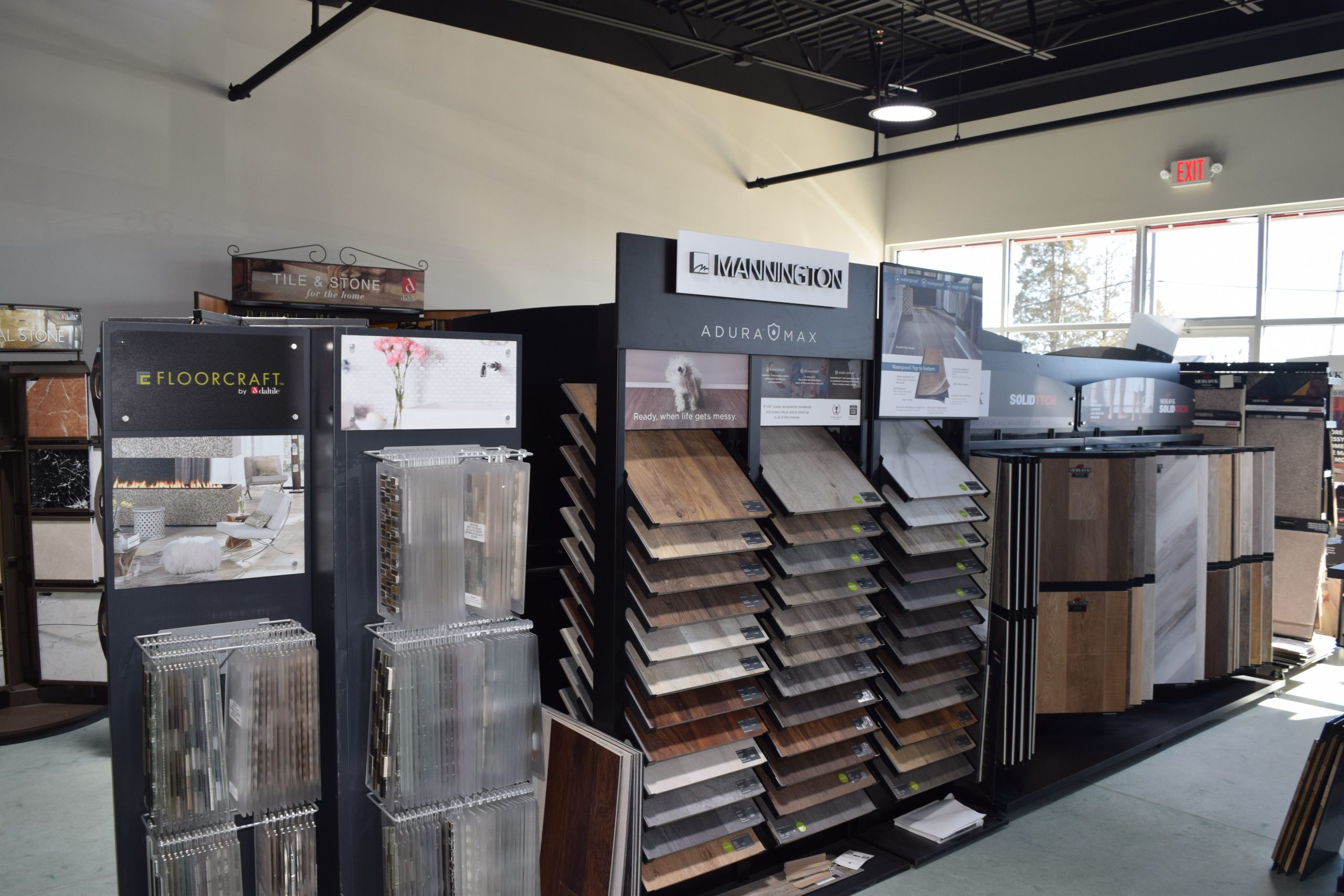
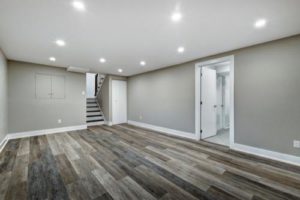
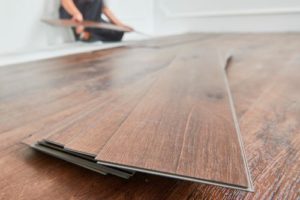
Luxury vinyl plank has become one of the most popular choices for basement flooring, and for good reason. LVP is 100% waterproof when installed with the right underlayment, making it one of the few flooring types that can handle occasional moisture without warping or deteriorating.
Beyond its water resistance, LVP offers:
- Realistic wood and stone looks without the moisture vulnerability of real hardwood
- Comfort underfoot, especially compared to tile or bare concrete
- Durability that holds up well in high-traffic basement rec rooms, home gyms, or guest suites
- Straightforward installation, which can help keep remodeling timelines on track
For homeowners turning their basement into a livable, multi-purpose space, LVP strikes a strong balance between style and practicality.
How Does Tile Hold Up in a Basement?
Tile is one of the most moisture-resistant flooring materials available, which makes it a smart choice for basements with a higher risk of dampness, such as those near utility areas, laundry hookups, or bathrooms. Porcelain and ceramic tile won’t absorb water, won’t warp, and won’t support mold growth the way some other materials can.
Tile is particularly well-suited for:
- Basement bathrooms or laundry rooms
- Areas near sump pumps or water heaters
- Homeowners who want a long-term, low-maintenance surface
The tradeoff is comfort and installation cost. Tile is a cold, hard surface, and professional installation is typically required to ensure proper leveling and waterproofing, especially over a concrete slab. For basements used primarily for utility purposes rather than lounging or entertaining, tile remains one of the most dependable options.
Should You Put Carpet in a Basement?
Carpet is the flooring most people associate with cozy basements, and it can absolutely work, but only under the right conditions. Carpet should generally be reserved for basements with no history of water issues and reliable humidity control.
Unlike LVP or tile, carpet absorbs moisture rather than repelling it. In a basement with even minor dampness, that absorption can lead to mold, mildew, and odor problems that are difficult to fully resolve. Homeowners who choose carpet for a basement remodel should pair it with a moisture-resistant pad and confirm that the space has proper drainage and climate control first.
When conditions are right, carpet adds warmth, sound dampening, and comfort that’s hard to beat for basements used as media rooms, playrooms, or home offices.
What Is Epoxy Flooring and When Does It Make Sense?
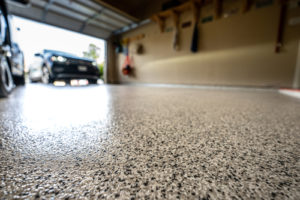
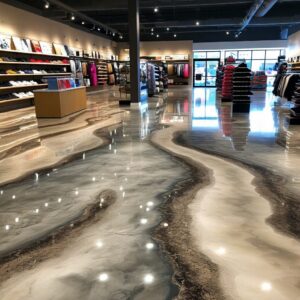
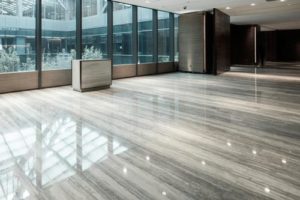
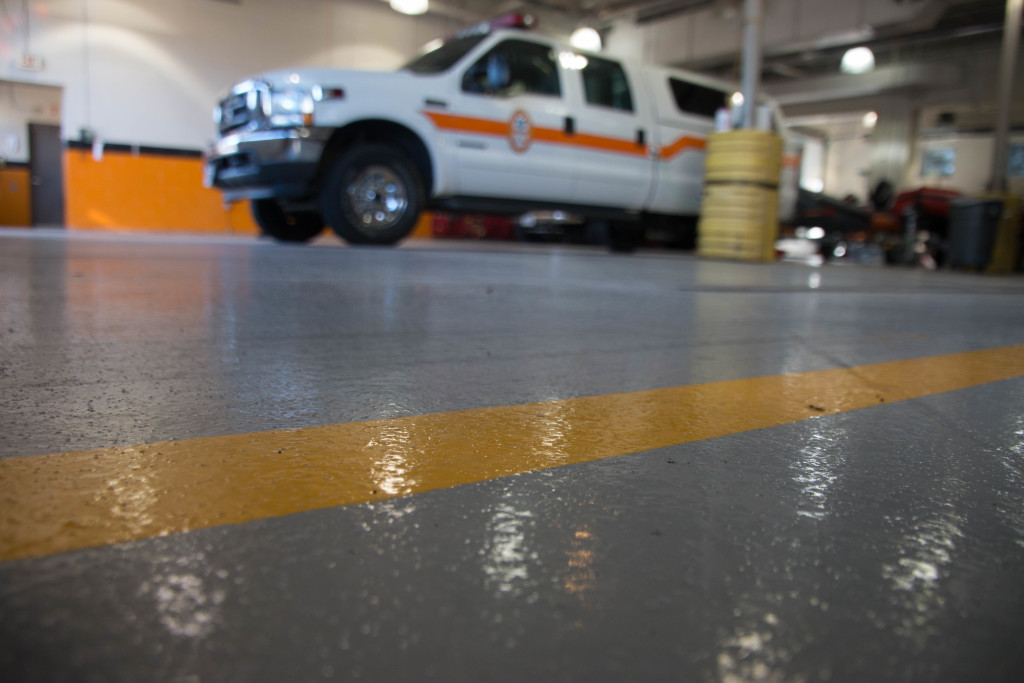
Epoxy flooring is a go-to solution for Maryland basements used as workshops, home gyms, or garages-turned-living-space. Applied directly over concrete, epoxy creates a seamless, chemical-resistant, and highly durable surface that holds up to heavy use, moisture, and temperature changes far better than most traditional flooring materials.
Epoxy is especially popular for:
- Basement workshops or tool storage areas
- Home gyms that need a durable, easy-to-clean surface
- Homeowners who want a modern, polished concrete look without replacing the slab
As a company with specialty epoxy flooring experience, Dragon Scale Inc. frequently recommends epoxy for Maryland basements where function and durability matter more than carpet-level softness underfoot.
Choosing the Right Flooring for Your Basement Remodel
There’s no single “best” basement flooring for every home. The right material depends on how you plan to use the space, how much moisture risk your basement carries, and what kind of look and feel you’re going for.
- Choose LVP if you want a livable, comfortable space with strong moisture resistance.
- Choose tile if your basement has higher moisture exposure or includes a bathroom or laundry area.
- Choose carpet if your basement is dry, climate-controlled, and used for relaxing or entertaining.
- Choose epoxy if you need a durable, low-maintenance surface for a workshop, gym, or utility space.
A basement remodel is an investment, and flooring is one of the decisions that has the biggest impact on how long that investment lasts. Dragon Scale Inc.’s team brings both flooring and full basement remodeling expertise to every project, helping Maryland homeowners choose materials that fit their space, their budget, and how they actually plan to use the room.
If you’re planning a basement remodel and aren’t sure which flooring makes sense for your home, request a free estimate from Dragon Scale Inc. today and get expert guidance tailored to your space.