





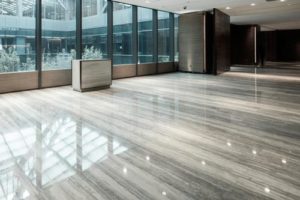
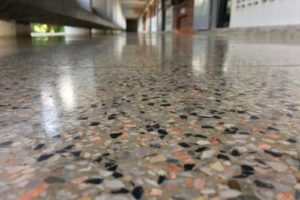




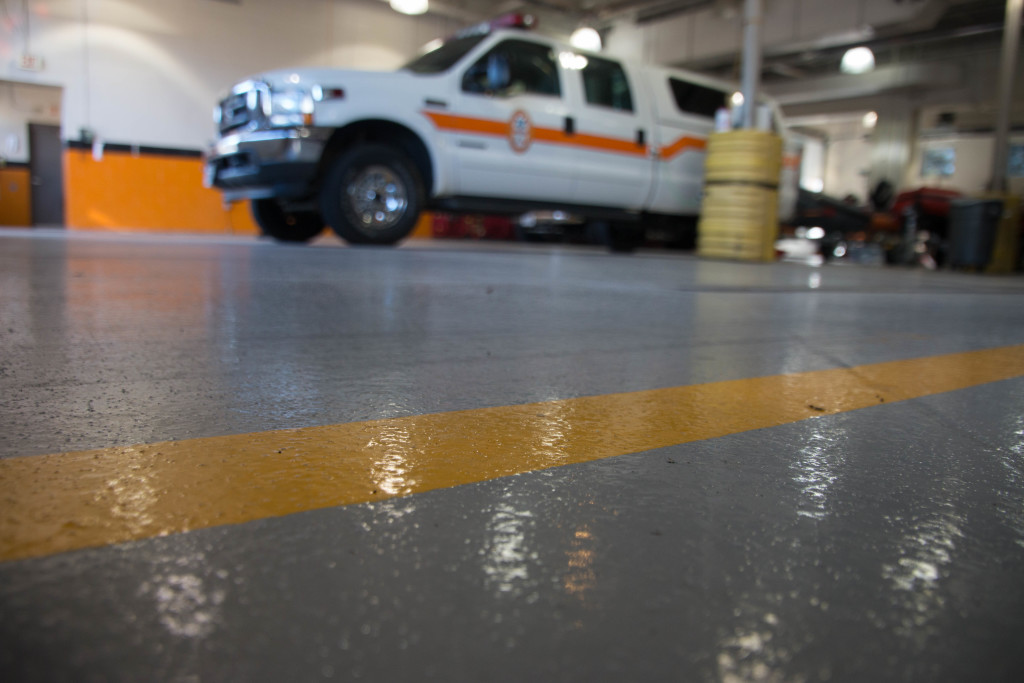
Epoxy flooring is popular for a reason. It gives garages, utility spaces, and commercial areas a clean, polished look while standing up to heavy use. But even durable flooring needs the right care. If you want to maintain epoxy floors and keep them looking their best, regular upkeep makes a big difference.
For homeowners, garage owners, and property managers, the good news is that epoxy floors are not hard to care for. The key is building simple habits that protect the finish before wear, stains, and surface damage start to show. When you maintain epoxy floors the right way, you can help extend their life, preserve their shine, and keep the space looking more professional over time.
Why It Matters to Maintain Epoxy Floors
Epoxy floors are designed to be tough, but they are not completely maintenance-free. Dirt, sand, chemical spills, tire marks, and heavy traffic can all wear down the surface over time. Without regular care, even a high-quality floor can begin to lose its clean appearance.
When you maintain epoxy floors consistently, you help prevent small issues from turning into larger problems. Routine cleaning protects the finish, reduces buildup, and helps the floor keep the glossy, fresh look that makes epoxy such a strong investment in the first place.
Start With Simple Regular Cleaning Habits
One of the best ways to maintain epoxy floors is also the easiest: clean them on a regular schedule. Dust, grit, and debris may not seem like a big deal at first, but they can act like sandpaper under foot traffic and vehicle movement.
Sweep or dust mop often
Use a soft-bristle broom or dust mop to remove loose dirt, dust, and debris. In garages or work areas, this may need to happen several times a week depending on use. In lower-traffic areas, weekly cleaning may be enough.
Mop with a gentle cleaner
For deeper cleaning, use warm water and a mild floor-safe cleaner. A microfiber mop usually works well because it lifts dirt without being too rough on the surface. Avoid harsh soap buildup, since residue can dull the finish over time.
If your goal is to maintain epoxy floors without damaging them, gentle and consistent cleaning is usually better than aggressive scrubbing.
Clean Spills Quickly to Prevent Stains
Spill cleanup is another major part of how to maintain epoxy floors. Epoxy coatings resist many stains, but that does not mean every spill should sit on the surface for hours or days.
Oil, chemicals, paint, cleaning products, and automotive fluids should be wiped up as soon as possible. The faster you remove them, the less chance they have to leave discoloration or affect the finish.
Use soft materials for cleanup
When cleaning a spill, use a soft cloth, paper towel, or non-abrasive mop. If needed, use a mild cleaner with water to remove any leftover residue. Avoid rough brushes or pads that may scratch the coating while you are trying to clean it.
Quick attention to spills is one of the smartest ways to maintain epoxy floors and protect their appearance.
Avoid Abrasive Damage That Can Dull the Finish
A common mistake people make when they maintain epoxy floors is using tools or products that are too harsh. Epoxy is durable, but abrasive cleaning methods can wear down the top layer and reduce the shine.
Skip harsh scrub pads and strong chemicals
Steel wool, stiff brushes, and rough scouring pads can leave marks or dull spots. Some strong chemical cleaners may also damage the finish or leave residue behind. It is best to use cleaners recommended for epoxy or other coated surfaces.
Be careful with heavy dragging
Furniture, tool chests, equipment, and storage bins should not be dragged directly across the floor. Even a strong coating can suffer scratches or scuffs from repeated impact. If possible, use wheels, floor protectors, or lifting help when moving heavy items.
To maintain epoxy floors properly, think of protection and prevention as part of the cleaning process.
Protect High-Traffic Areas Before Wear Shows Up
Some parts of a floor naturally get more use than others. Garage entry points, work zones, storage areas, and walk paths often show wear first. If you want to maintain epoxy floors long term, pay close attention to these high-traffic spots.
Use mats or protective barriers where it makes sense
Entry mats, work mats, or protective pads under equipment can reduce stress on the surface. In garages, placing mats in areas where water, mud, or road salt collect can help limit buildup and reduce repeated wear.
Stay ahead of dirt and grit
The more traffic an area gets, the more often it should be cleaned. Dirt and grit are more damaging when they stay trapped under tires or shoes day after day. Extra attention in busy areas helps maintain epoxy floors before dullness becomes noticeable.
Know When Professional Maintenance May Be Needed
Even with good habits, there may come a time when your floor needs more than standard cleaning. This is especially true in high-use garages, commercial spaces, or properties with older epoxy coatings.
Signs your floor may need professional attention
You may want professional help if you notice:
- Loss of shine across large areas
- Deep stains that do not lift with normal cleaning
- Surface scratches or scuffing
- Peeling, chipping, or worn spots
- Tire marks or buildup that keeps returning
Professional maintenance can help restore the look of the floor and address small issues before they grow into larger repairs. If you want to truly maintain epoxy floors for the long run, knowing when to bring in experts matters.
Build a Longer-Lasting Finish With Dragon Scale
The best way to maintain epoxy floors is through simple, consistent care. Regular sweeping, gentle mopping, quick spill cleanup, protection against abrasive damage, and extra attention in high-traffic areas can all help keep epoxy flooring looking clean and polished for years.Dragon Scale – Week 2 helps homeowners and property owners protect the beauty and performance of their flooring investments. If you want expert help installing, restoring, or caring for epoxy flooring, contact us today online or by calling (301) 591-6019 and keep your floors looking newer, longer.