













Bathrooms handle more moisture than any other room in the house.
Between showers, sinks, and plumbing fixtures, water is constantly present. When everything is sealed properly, that moisture stays where it belongs. But when small leaks or worn materials go unnoticed, hidden water damage can slowly develop behind walls, under floors, or beneath fixtures.
For many Maryland homeowners, water damage isn’t discovered until a remodeling project begins. If you’re considering a bathroom remodeling project in Maryland, recognizing the early warning signs of hidden water damage can help you avoid costly structural repairs later.
Unusual or Persistent Musty Odors
One of the most common indicators of hidden moisture is a persistent musty smell.
Even if your bathroom looks clean, a damp or earthy odor may suggest that moisture is trapped somewhere behind walls, inside cabinetry, or beneath flooring. Mold and mildew thrive in dark, damp environments and often develop long before visible damage appears.
If the smell returns quickly after cleaning or ventilation, hidden moisture could be present.
Peeling Paint or Bubbling Walls
Bathrooms are designed to handle humidity, but when water begins to seep into drywall or plaster, the surface materials start to react.
You may notice paint bubbling, cracking, or peeling around areas near the shower, bathtub, or vanity. Wallpaper may begin separating from the wall or developing wrinkles.
These changes often indicate that moisture has penetrated the wall surface.
During a bathroom renovation in Maryland, professionals frequently uncover water damage behind walls where these surface changes first appear.
Soft or Spongy Flooring
Bathroom flooring should feel solid under your feet.
If tiles feel loose, soft, or slightly springy when you walk across them, moisture may have compromised the subfloor beneath. Over time, water leaks from toilets, tubs, or shower pans can weaken the materials supporting your flooring.
Ignoring these issues can lead to structural deterioration that eventually requires more extensive repairs.
A professional inspection during a bathroom remodeling project can determine whether the damage is limited or widespread.
Stains on Ceilings or Walls
Water damage doesn’t always stay contained to the bathroom itself.
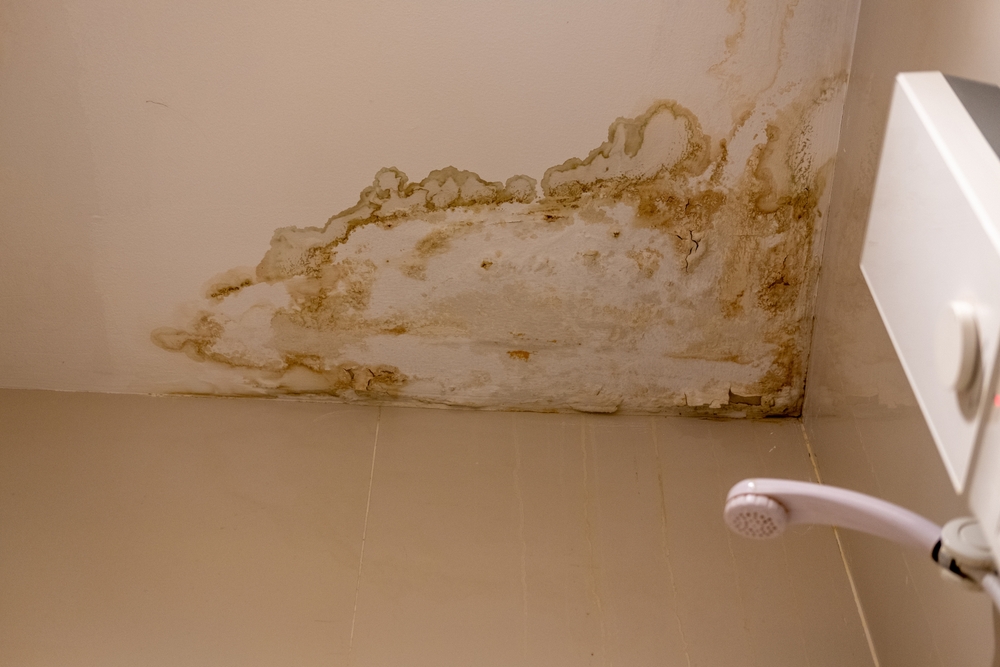
If plumbing leaks occur inside walls or floors, you may begin to see discoloration on ceilings or adjacent walls. Yellow or brown stains are often signs that water has traveled through drywall or insulation.
These stains may appear in nearby rooms or on the ceiling below an upstairs bathroom.
When this happens, it’s important to investigate the source before the damage spreads further.
Mold Around Caulking or Grout
Small patches of mold around grout or caulking are common in bathrooms, but persistent growth that keeps returning may indicate a deeper problem.
If moisture is trapped behind tile or beneath fixtures, mold may repeatedly appear even after cleaning.
Professional contractors often find hidden moisture behind old tile installations or deteriorated shower seals.
Addressing the root cause is the only way to stop it permanently.
Loose Fixtures or Cabinets
Water damage can also affect the structural stability of bathroom features.
Vanities, cabinets, or toilets that begin to feel loose may be anchored into materials that have softened due to moisture exposure.
Over time, this can cause fixtures to shift or pull away from the wall or floor.
When detected early, repairs are usually straightforward. If ignored, larger reconstruction may become necessary.
Protect Your Bathroom Investment
Bathrooms should be comfortable, clean, and built to last.
If you suspect hidden moisture or are planning a renovation, addressing water damage early can prevent larger structural problems and protect your home’s value.
If your bathroom is showing signs of hidden water damage, a professional inspection may be the first step toward restoring both beauty and durability. Contact us today to schedule a professional inspection.