









A successful remodeling project doesn’t start with demolition; it starts with design.
Behind every beautifully finished kitchen, bathroom, or living space is a well-thought-out plan that guides every decision from start to finish. Without a strong design process, even the most ambitious remodeling projects can fall short of expectations.
So what role does design really play in remodeling, and why does it matter so much?
It All Begins With a Vision
Every remodeling project starts with an idea.
Maybe it’s:
- A kitchen that feels outdated
- A bathroom that lacks functionality
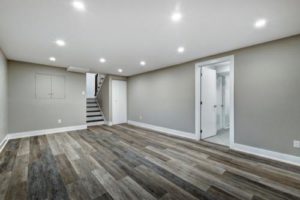
- A basement with untapped potential
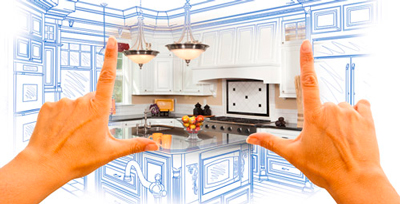
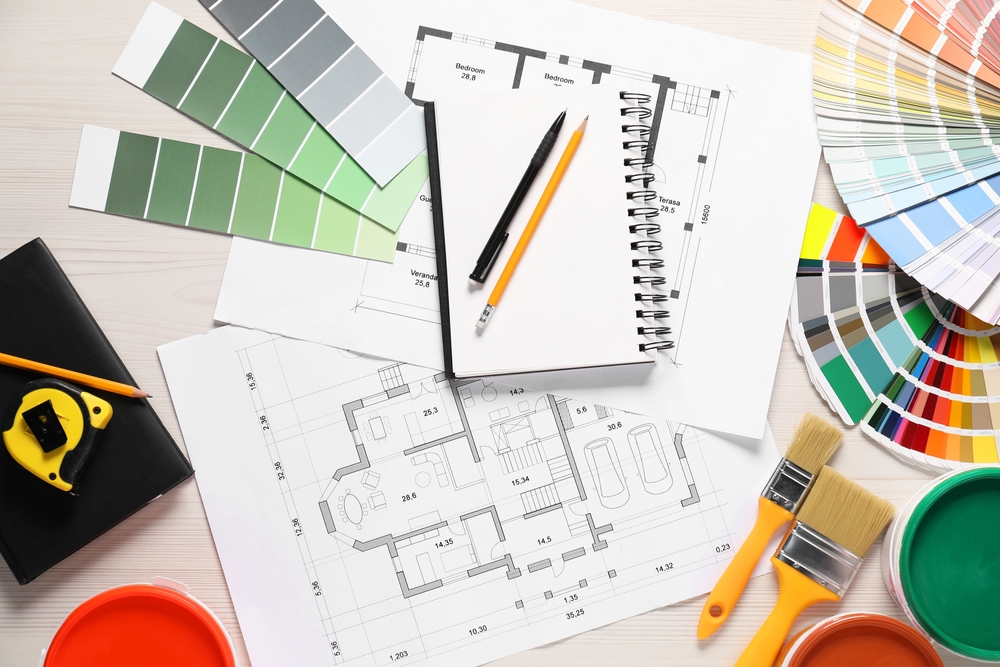
Design is the process of turning that initial vision into something tangible and achievable.
At this stage, it’s not just about aesthetics, it’s about understanding your goals, your lifestyle, and how the space needs to function day-to-day.
Translating Ideas Into a Real Plan
One of the biggest challenges in remodeling is bridging the gap between what you imagine and what can actually be built.
That’s where design comes in.
A professional design process helps:
- Define layout and flow
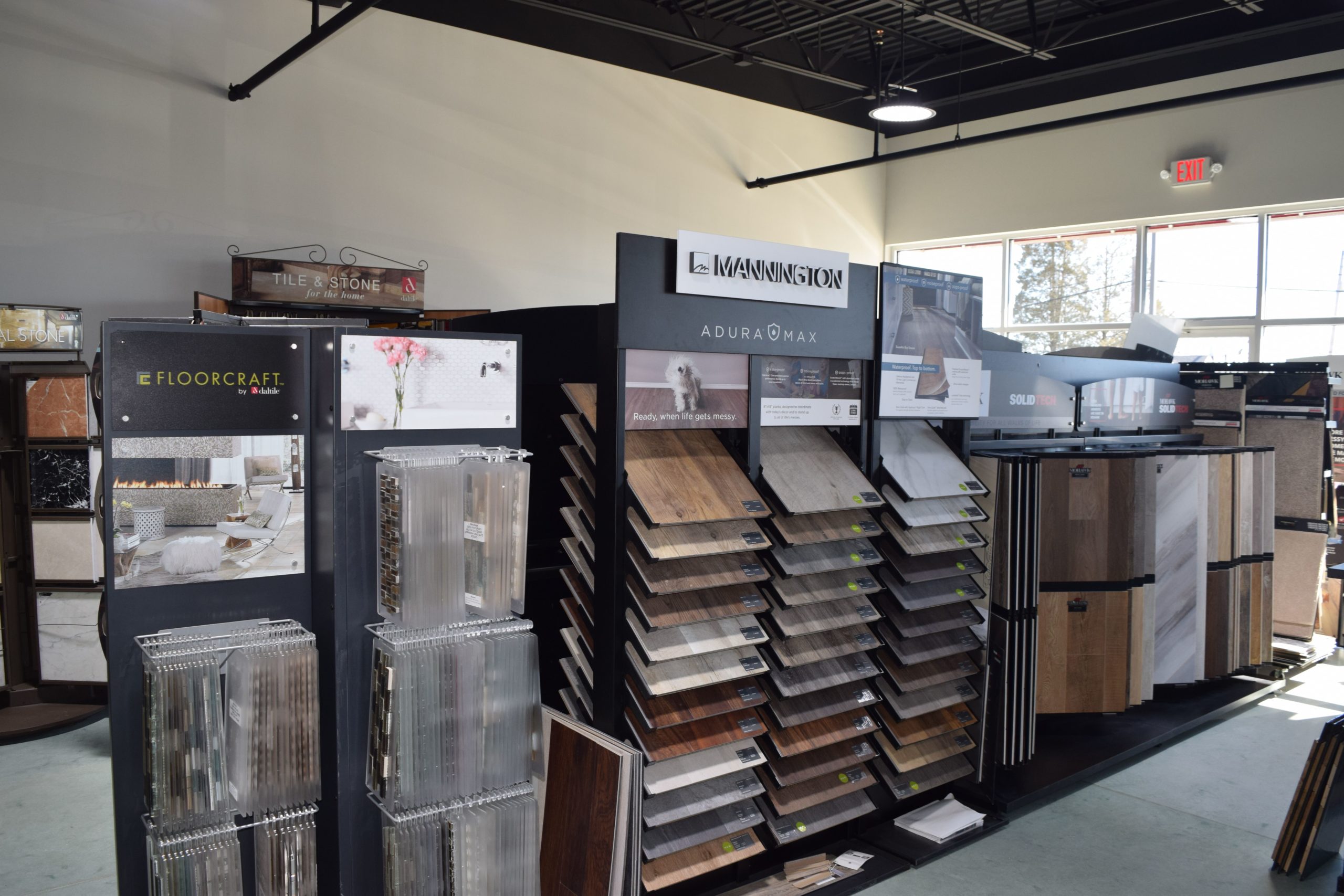
- Select materials and finishes
- Identify potential challenges early
- Align your vision with your budget
It turns abstract ideas into a clear, actionable plan.
Function Meets Aesthetics
Great design isn’t just about how a space looks; it’s about how it works.
A well-designed remodel considers:
- Traffic flow and usability
- Storage and organization
- Lighting and layout
- Long-term durability
When function and aesthetics come together, the result is a space that not only looks beautiful but also enhances your daily life.
Avoiding Costly Mistakes
Skipping or rushing the design phase can lead to expensive issues down the line.
Common problems include:
- Poor layout decisions
- Mismatched materials
- Unexpected structural challenges
- Budget overruns
A detailed design plan helps catch these issues early before construction begins.
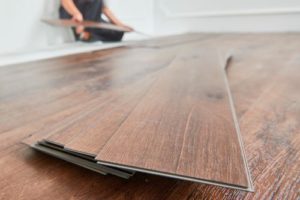
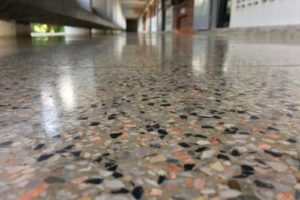
Material Selection With Purpose
Design also plays a key role in selecting the right materials for your project.
It’s not just about choosing what looks good; it’s about choosing what performs well in your space.
Considerations include:
- Durability and maintenance
- Color and style cohesion
- Compatibility with the overall design
- Long-term value
Thoughtful material selection ensures your remodel stands the test of time.
Creating a Cohesive Look
One of the biggest differences between an average remodel and a high-end transformation is cohesion.
Design ensures that:
- Colors, textures, and finishes work together
- Each element feels intentional
- The space flows seamlessly from one area to the next
This level of detail is what gives a remodel a polished, professional feel.
Guiding the Construction Process
Design doesn’t stop once construction begins; it continues to guide the entire project.
A clear design plan helps:
- Keep contractors aligned with the vision
- Maintain consistency throughout the build
- Reduce delays and miscommunication
It acts as a roadmap from concept to completion.
The Difference Design Makes
At the end of the day, design is what transforms a remodeling project from “just okay” to truly exceptional.
It brings clarity, direction, and purpose to every decision, ensuring the final result reflects your vision while meeting practical needs.
Bring Your Vision to Life the Right Way
If you’re planning a remodel, investing in the design process is one of the smartest decisions you can make.At Dragon Scale, we take a design-first approach to remodeling, helping homeowners turn ideas into thoughtfully crafted spaces. From initial concept to final details, our team is here to guide you every step of the way. Contact us today to start your remodeling project with a strong design foundation.