

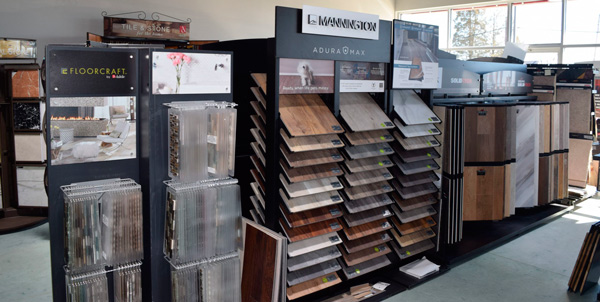
Pet-friendly flooring needs to balance scratch resistance, moisture tolerance, and ease of cleaning. The top options for pet owners include luxury vinyl plank, epoxy-coated concrete, porcelain tile, and hardwood alternatives—each with distinct trade-offs depending on your pet’s size, habits, and your home’s existing subfloor conditions.
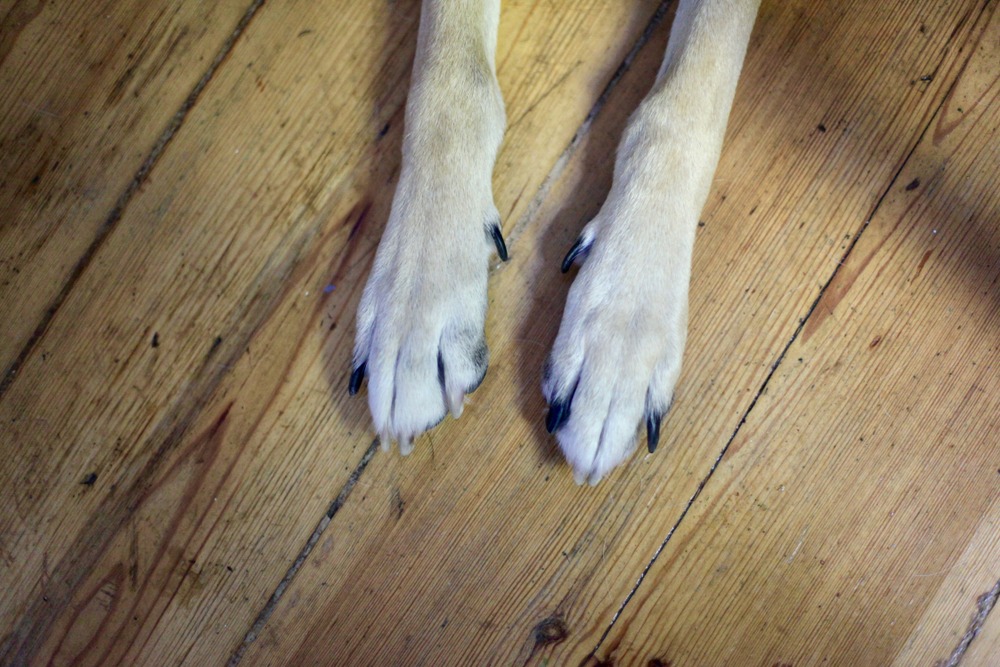
Pets are hard on floors. That is simply the reality of sharing your home with an animal that doesn’t take its shoes off at the door. Between claws that scratch, accidents that seep, and the relentless traffic of paws across every surface, the wrong flooring choice can lead to costly replacements within just a few years. The right choice, however, can last decades—looking good and performing well through every muddy paw print and unexpected spill.
Why Standard Flooring Often Fails Pet Owners
Most flooring products are tested against general residential wear—not the specific stress patterns that pets create. A dog’s nails exert highly concentrated pressure on a small surface area, which accelerates surface wear on softer materials. Cat urine, if it reaches the subfloor, can cause structural damage and persistent odor that no amount of cleaning fully resolves. High-traffic pets—particularly larger breeds—also carry moisture in from outside, which can warp wood-based products over time.
Understanding these failure points makes it much easier to evaluate flooring options with clear eyes.
Luxury Vinyl Plank: The Most Popular Pet-Friendly Choice
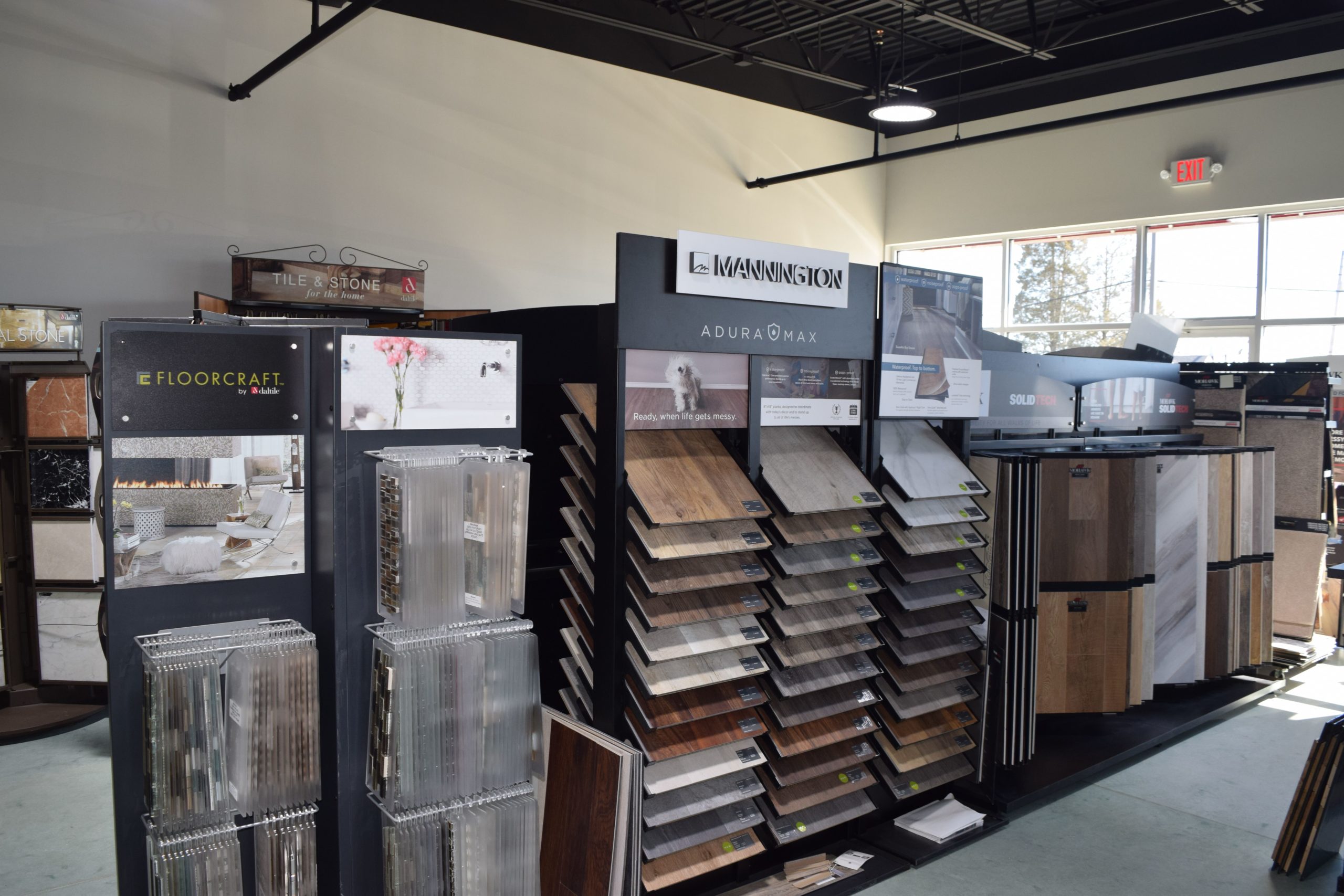
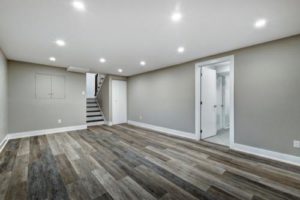
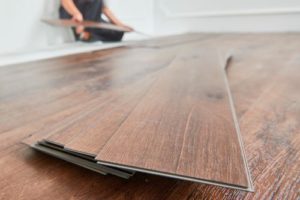
Luxury vinyl plank (LVP) has become the dominant choice for pet owners over the past several years, and the reasons are well-founded. Modern LVP products feature a rigid core construction that resists moisture penetration, a wear layer that handles moderate to heavy scratching, and a surface texture that provides grip for animals on the move.
The most important specification to look for is wear layer thickness. For homes with large dogs or multiple pets, a wear layer of 20 mil or greater is strongly recommended. Thinner products may look identical on the shelf but will show scratching within months under heavy use.
LVP is also a practical choice for subfloor compatibility. It can be installed over concrete, existing tile, or wood subfloors—often without adhesive—which reduces installation complexity and cost. Waterproof core options (as opposed to water-resistant) provide an additional layer of protection in high-accident areas like mudrooms, laundry rooms, and hallways.
One honest limitation: deep gouges from large dogs with untrimmed nails can still damage the surface. No vinyl product is fully scratch-proof. Regular nail maintenance remains part of the equation.
Epoxy-Coated Concrete: The High-Performance Option
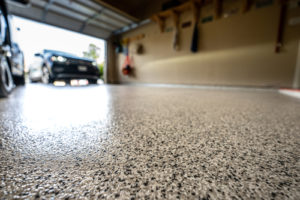
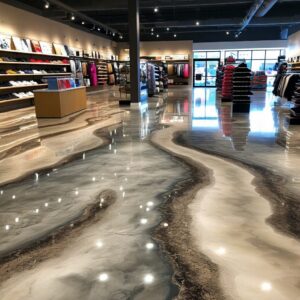
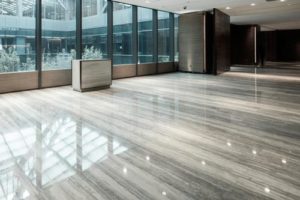
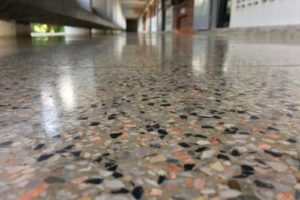
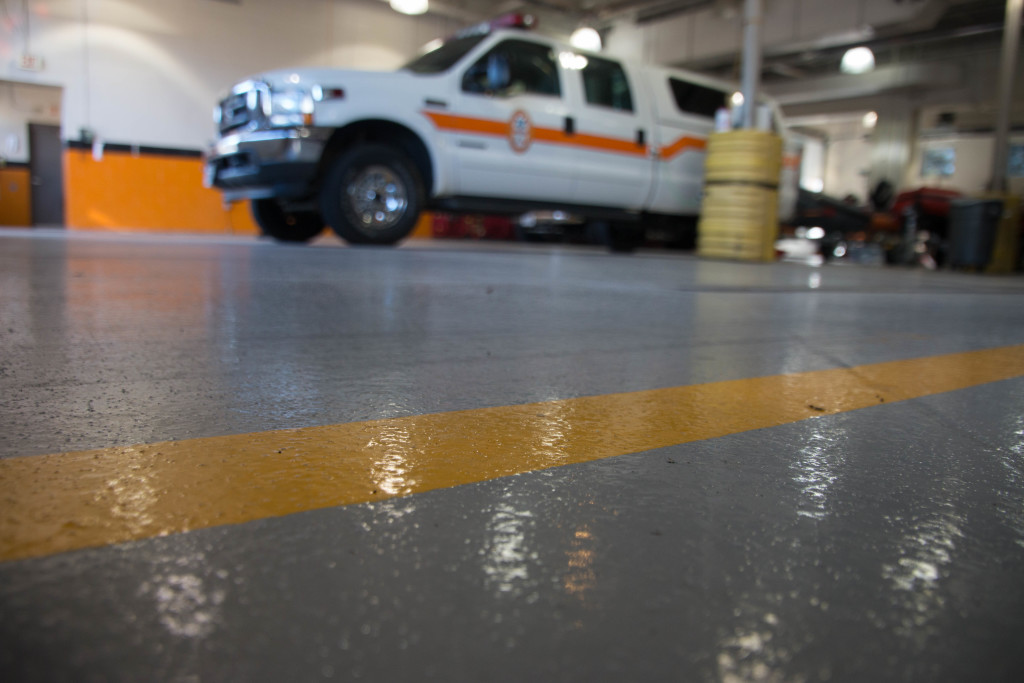
For garage conversions, basement living spaces, and utility areas, professionally applied epoxy flooring stands apart from every other option in terms of durability and ease of maintenance. A 100% solids epoxy system, applied over properly prepared concrete, creates a seamless surface that resists moisture, staining, odor absorption, and physical impact at a level no plank or tile product can match.
Dragon Scale Inc. installs epoxy flooring systems specifically designed for demanding residential environments—including homes with pets. The seamless nature of an epoxy floor eliminates grout lines and seams where pet dander, hair, and moisture typically accumulate. Cleaning requires nothing more than a damp mop. For pet owners who have struggled with odor retention in other flooring materials, the difference is immediate and significant.
Epoxy is not appropriate for every room in the house—it works best on concrete substrates—but for basements, garages, and enclosed outdoor living areas, it delivers performance that no other flooring category approaches. Dragon Scale Inc. includes anti-slip additives in all residential epoxy installations, which also improves traction for dogs prone to slipping on smooth surfaces.
Porcelain Tile: Durable but Demanding
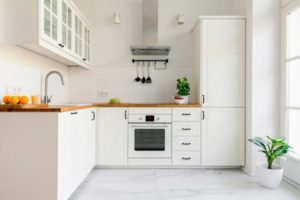
Porcelain tile is scratch-proof, fully waterproof, and easy to clean. On those metrics alone, it reads as the ideal pet flooring. The reality is more nuanced.
Grout lines are the primary vulnerability. Unless sealed and maintained consistently, grout absorbs pet urine and bacteria, leading to staining and odor that becomes progressively harder to address. Large-format tiles with minimal grout lines mitigate this substantially—and epoxy grout, while more expensive to install, is non-porous and highly resistant to staining.
Cold surface temperature is a secondary consideration. Tile floors are uncomfortable for pets that spend significant time lying on the floor, particularly in cooler climates. Radiant heating beneath tile can address this, though it adds cost.
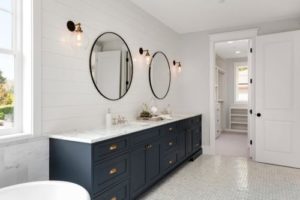
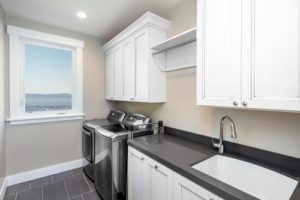
For high-moisture areas like bathrooms, mudrooms, and laundry rooms, porcelain tile with epoxy grout remains one of the strongest choices available.
Hardwood and Engineered Wood: Proceed with Caution
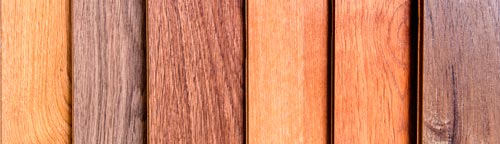
Solid hardwood and engineered hardwood are among the most requested flooring types, and among the most problematic for pet owners. Wood surfaces scratch—this is a categorical reality, not a product defect. Some species and finish types perform better than others, but no hardwood product is immune to nail damage from medium or large dogs.
That said, engineered hardwood with a thick veneer layer (3mm or greater) and a factory-applied aluminum oxide finish offers considerably better resistance than site-finished solid wood. Certain species—white oak, hickory, and Brazilian walnut—also rank higher on the Janka hardness scale, which correlates directly with scratch resistance.
For households with small dogs or cats with trimmed nails, hardwood can remain a viable option if owners accept that the floor will show wear over time and factor in periodic refinishing. For larger or more active pets, the long-term maintenance burden is significant.
What to Avoid: Flooring That Consistently Underperforms
Several flooring types appear frequently in homes but consistently underperform in pet households:
- Carpet: Absorbs urine, traps dander and hair, and cannot be fully sanitized after repeated accidents. Even high-quality carpet degrades quickly under pet traffic.
- Laminate: Unlike LVP, standard laminate is not waterproof. Moisture penetration at seams causes swelling and delamination. It also offers limited resistance to scratching.
- Cork and bamboo: Both are softer materials that scratch and dent easily. Cork is also highly vulnerable to moisture, which makes it particularly unsuitable for homes with pets.
How to Choose the Right Flooring for Your Specific Situation
The best flooring choice depends on the intersection of four variables: pet size and nail condition, room function, subfloor type, and long-term maintenance expectations.
For most above-grade living spaces with moderate pet activity, luxury vinyl plank with a 20 mil or greater wear layer represents the best combination of performance, affordability, and ease of installation. For high-moisture or below-grade spaces—particularly basements and garages—professionally installed epoxy flooring from Dragon Scale Inc. offers a level of durability and hygiene that no other product category matches. For wet rooms and utility spaces, large-format porcelain tile with epoxy grout is a reliable long-term investment.
Making the Right Investment for Your Home and Your Pets
Flooring is not a decision to make based on aesthetics alone—particularly when pets are part of the household. The products that perform well in showroom conditions often reveal their limitations within the first year of real-world use. A more deliberate approach, grounded in an honest assessment of your pets’ behavior and your home’s specific conditions, leads to choices that hold up over time.
Dragon Scale Inc. specializes in high-performance flooring solutions for residential and commercial environments. For homeowners considering epoxy systems for garages, basements, or utility spaces, the Dragon Scale Inc. team offers professional consultations to assess your existing concrete and recommend the right system for your needs. Contact Dragon Scale Inc. to schedule an assessment and take the first step toward flooring that works as hard as your pets.