




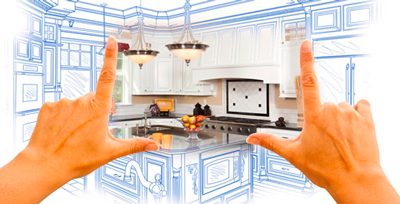






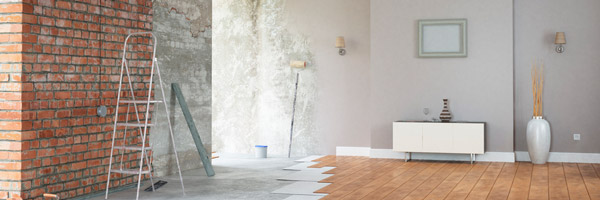






Before selecting tile, countertops, or paint colors, homeowners planning a 2027 remodel should first lock in their layout, budget, timeline, permits, structural scope, and design-build team. Making these foundational decisions early—before materials shopping begins—prevents costly changes, delays, and mismatched expectations once construction starts.
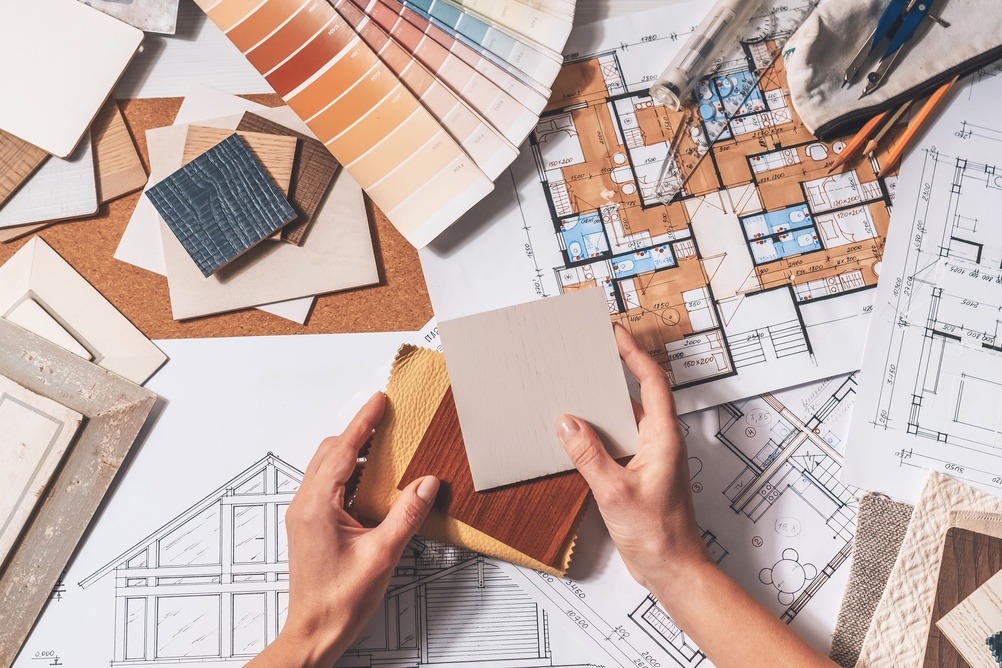
It’s tempting to open a browser tab full of countertop options the moment you decide to remodel. Pinterest boards fill up fast, and material selection feels like the fun part. But homeowners who jump straight to finishes before answering the bigger structural and budgetary questions often find themselves backtracking weeks into a project, reworking decisions that should have been settled from the start.
If you’re eyeing a 2027 home remodel, now is the time to slow down just enough to get the fundamentals right. The materials will still be there once you’ve nailed down the framework your project needs to succeed. Here are seven decisions worth making first.
1. What Is the Actual Scope of Your Remodel?
Before anything else, define what you’re changing and why. Is this a cosmetic refresh—new paint, fixtures, and flooring—or does it involve moving walls, relocating plumbing, or expanding square footage? The scope determines nearly every decision that follows, from budget to permitting to how long your home will be livable during construction.
Homeowners sometimes underestimate how much a seemingly small change, like widening a doorway or relocating a sink, can ripple through electrical, plumbing, and structural systems. Getting clear on scope early helps your design-build partner give you an accurate picture of what’s realistic for your timeline and budget.
2. What’s Your Real Budget, Including Contingency?
A remodel budget should include more than the number you’d like to spend. It should account for a contingency fund, typically 10 to 20 percent of your total project cost, to absorb the unexpected issues that often surface once walls are opened or older systems are inspected.
Setting a realistic budget before material shopping prevents the frustration of falling in love with a quartz countertop or custom cabinetry line that’s simply out of range. It also gives your contractor a framework for recommending materials and finishes that fit your goals without constant renegotiation.
3. What Is Your Realistic Timeline for a 2027 Start?
Material lead times, permitting schedules, and contractor availability all affect when your project can realistically begin. Many design-build firms are already booking projects months in advance, and custom materials like cabinetry or imported stone can take weeks or months to arrive after ordering.
If you’re targeting a 2027 start date, this is the time to start conversations with a remodeling team, not after you’ve already chosen your tile. Early planning gives you more flexibility and often more favorable pricing than rushing to accommodate a tight deadline later.
4. Does Your Project Require Permits or Structural Review?
Depending on your location and the scope of work, your remodel may require permits for electrical, plumbing, structural, or zoning changes. Skipping this step, or assuming it doesn’t apply to your project, can lead to delays, fines, or complications when you eventually sell your home.
A qualified remodeling partner will know which permits apply to your specific project and can handle the application process on your behalf. Settling this early avoids the common scenario where material selection and ordering happens, only for a permitting issue to pause the entire project.
5. Who Will Be Managing Your Project?
Deciding how your remodel will be managed—whether through a general contractor, a design-build firm, or a combination of separate architects and contractors—shapes nearly every decision that follows, including how materials are sourced and installed.
A design-build approach, where design and construction are handled under one roof, tends to streamline communication and reduce the back-and-forth that can occur when multiple parties are involved. Choosing your project management structure before diving into materials ensures that whoever selects, orders, and installs your finishes is working from a single, coordinated plan.
6. How Will the Remodel Affect Your Daily Life?
Living through a remodel looks different depending on the scope of work. A kitchen renovation might mean weeks without a working stove. A full home remodel might require temporary relocation. Understanding what daily life will look like during construction helps you plan logistics, like setting up a temporary kitchen or coordinating school and work schedules around noisy phases of the project.
This decision also affects material choices down the line. For example, homeowners staying in their home during a kitchen remodel might prioritize a phased material delivery and installation plan to minimize how long they’re without functional spaces.
7. What Are Your Must-Haves Versus Nice-to-Haves?
Before you start comparing countertop samples or tile finishes, get clear on what matters most for your household. Is accessibility a priority for aging family members? Is energy efficiency a top concern? Are you renovating with resale value in mind, or designing purely for how your family lives day to day?
Clarifying your priorities gives your design-build team a filter for recommending materials and layouts that genuinely fit your goals, rather than defaulting to trends that may not serve your specific needs. For homeowners planning ahead for long-term comfort, this might include layout and material decisions that support aging in place, alongside the stylistic choices that make a space feel like home.
Build the Right Foundation Before You Build the Look
A remodel that starts with the right structural, budgetary, and logistical decisions tends to move more smoothly, finish closer to schedule, and avoid the costly do-overs that come from choosing materials too early. Once those fundamentals are settled, selecting finishes becomes a far more enjoyable part of the process, because you’ll know exactly what you’re working with and what your home actually needs.
If you’re planning a 2027 remodel, now is the ideal time to start these conversations. Dragon Scale Inc.’s design-build team can walk you through scope, budget, and timeline planning before a single material decision is made, so your project starts on solid ground. Reach out today to schedule a consultation and begin planning the remodel your home deserves.